The guide · 6 min read
Surfing Playa Hermosa: a complete guide to Costa Rica’s most consistent beach break
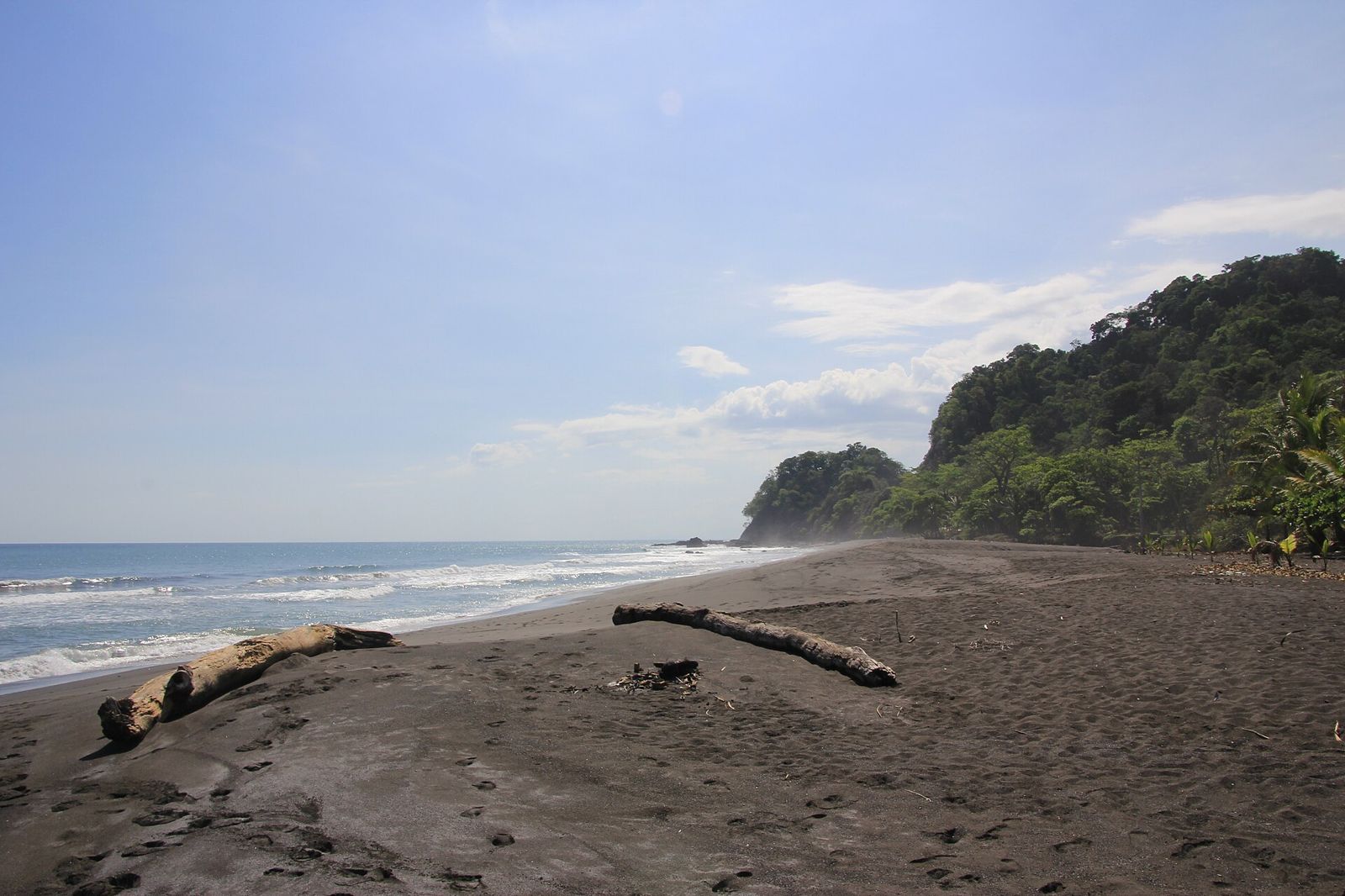
Playa Hermosa, on Costa Rica’s central Pacific coast just south of Jacó, is the kind of wave surfers plan whole trips around: a seven-kilometer stretch of dark volcanic sand that picks up nearly every south swell the Pacific sends. While spots further north go flat, Hermosa keeps working — which is why it has hosted national and international surf championships for decades and why the lineup fills with dawn-patrol regulars every single morning of the year.
This guide covers how the break works, when to come, and the practical details — tides, crowds, water temperature, and where to base yourself.
How the break works
Hermosa is a classic beach break with shifting peaks along its entire length. There is no single takeoff zone: sandbars form and move with the season, so locals check the whole beach before paddling out. The stretch in front of the main beach entrances tends to be the most consistent, holding well-shaped A-frames that offer both lefts and rights.
The wave is punchier than most beach breaks. On a solid south swell it barrels, especially at mid tide on the push, and closes out fast when it gets overhead — this is not a beginner wave on bigger days. On smaller days, though, the inside reforms are forgiving enough for improvers, and surf schools from Jacó bring students down when conditions cooperate.
Seasons and conditions
The best surf runs May through November, Costa Rica’s green season, when consistent south and southwest swells arrive. Mornings are the rule: the offshore breeze holds until mid-morning and glasses the face off; afternoons usually blow out. December through April (the dry season) is smaller and cleaner — friendlier for intermediates and still plenty of fun on the right sandbar.
The water sits around 27–29°C (low 80s °F) all year. No wetsuit, ever — board shorts and a rashguard cover it. One real warning: the black sand gets scorching by late morning. Sandals to the waterline are not optional.
Tides matter here. Most locals favor mid tide rising; dead low can get dumpy and dead high can go fat, though sandbars change the math every season. Check the tide chart the night before and aim to be in the water at first light.
Contests and community
Hermosa hosts rounds of Costa Rica’s national circuit and has held international qualifying events; on contest weekends the beach turns into a festival, and the level in the water is world-class. The rest of the time the vibe is friendly-but-serious: respect the locals, wait your turn on the peak, and you will get waves.
Where to stay
The whole point of Hermosa is sleeping close enough to check the surf from bed. Plaza Resort’s condos sit about 50 meters behind the high-tide line, mid-beach — you can read the lineup from the balcony, surf until your arms give out, and be back in a full kitchen for breakfast. Boards rinse off at the garden hose, and the pool handles the afternoon while the wind is on it.
Keep reading