The guide · 5 min read
Scarlet macaws, crocodiles, and Carara National Park: wildlife near Playa Hermosa
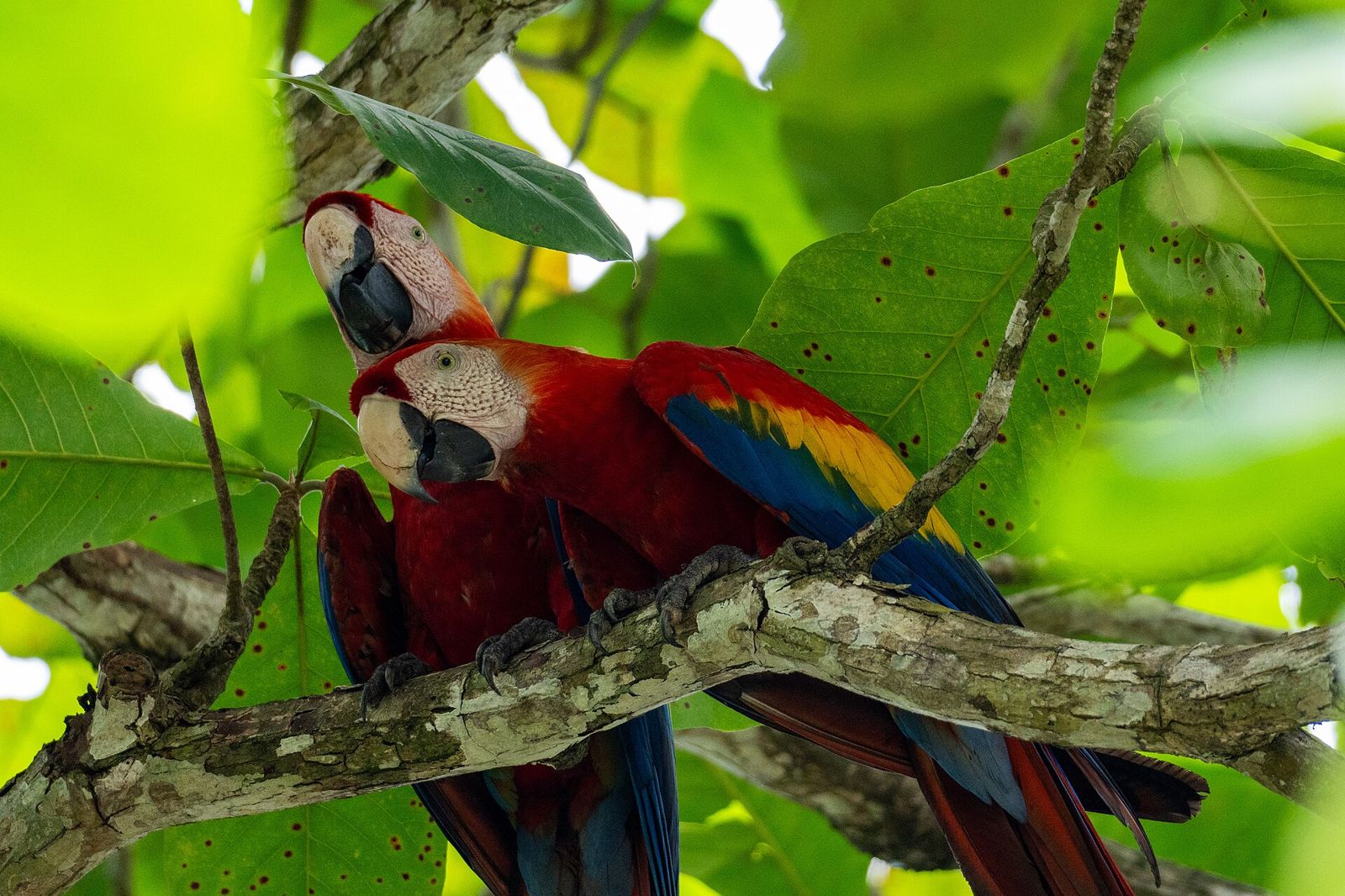
You do not have to leave the beach to see wildlife in Playa Hermosa — scarlet macaws screech through the almond trees most afternoons, iguanas own the fence posts, and whales pass offshore in season. But within thirty minutes of your door sits one of Costa Rica’s best wildlife corridors, anchored by Carara National Park and the Tárcoles River.
Carara National Park
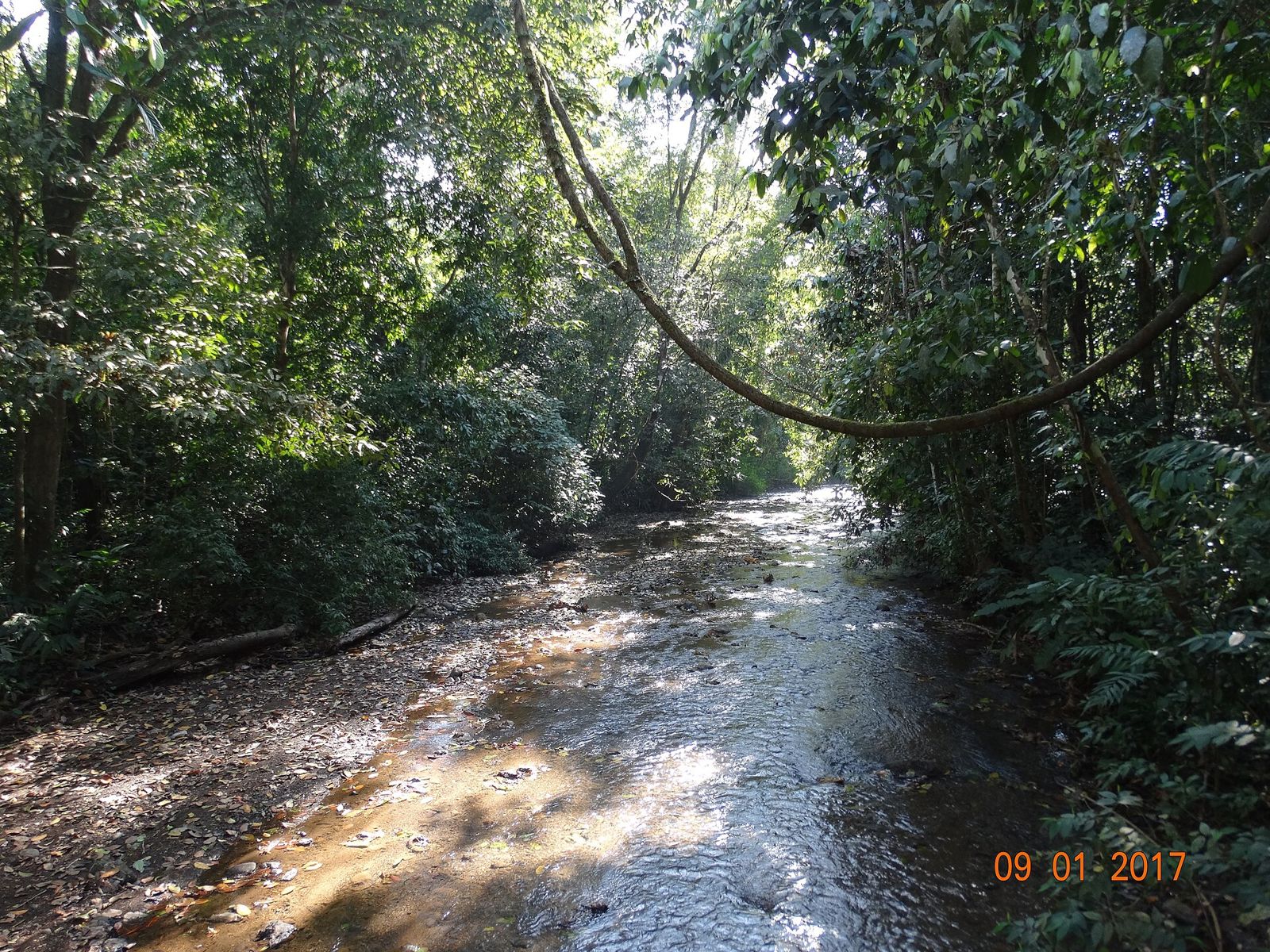
Twenty-five minutes north of Hermosa, Carara protects the transition zone where the dry forests of the north meet the wet forests of the south — which is why its species list is so absurd. The flat, well-maintained trails (some wheelchair-accessible) wind past massive strangler figs and swampy backwaters. Expect agoutis, white-faced capuchins, poison dart frogs, trogons, and — the headliner — one of the country’s healthiest wild populations of scarlet macaws, which nest in the park and commute daily to the coast.
Go early: the gate opens at 7am (8am in the green season), and the first two hours beat the heat and the tour buses. A local guide with a scope is worth the money — they find in minutes what you would walk past all morning.
The crocodile bridge
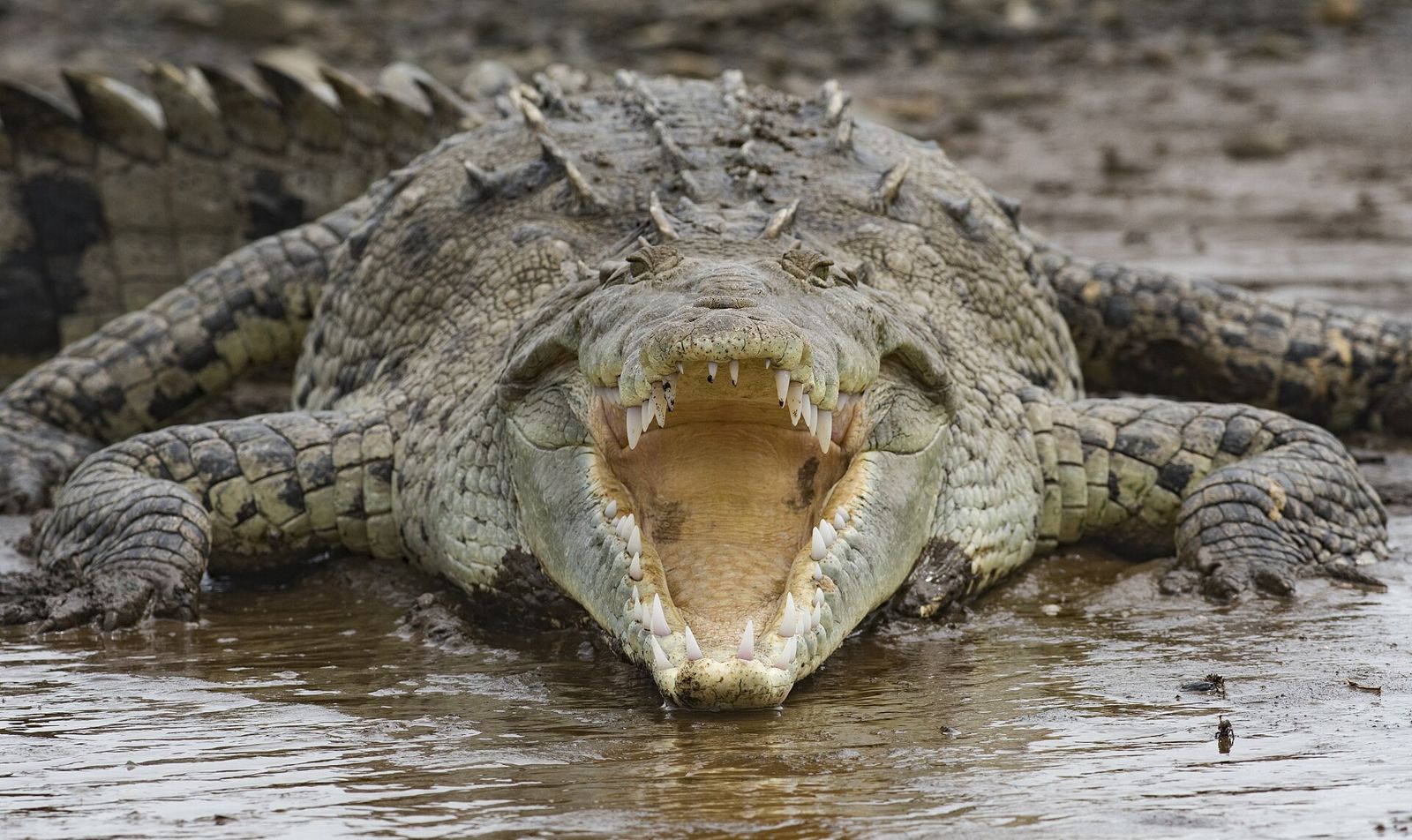
Just before Carara, Route 34 crosses the Tárcoles River, and the bridge has become one of Costa Rica’s strangest roadside attractions: look down and count the American crocodiles hauled out on the banks — many pushing four to five meters. It is free, takes ten minutes, and never stops being startling. For a closer (and safer) look, mangrove boat tours launch from Tárcoles village and combine crocs with superb waterbird watching: roseate spoonbills, boat-billed herons, and yes, more macaws.
On the beach itself
Playa Hermosa is a protected nesting beach for olive ridley sea turtles: from roughly July to December, females come ashore at night and local rangers run guarded hatchery programs. Ask about ranger-led night walks in season — flash photography is off-limits, and the hatchling releases at dusk are unforgettable.
Humpback whales pass twice a year (roughly December–March and July–October, from the two hemispheres), often visible from the beach on calm days. Bring binoculars to the balcony.
Stay in the middle of it
Plaza Resort sits inside this corridor — macaws in the garden almonds, turtles on the beach out front, Carara up the road. Base here, do the park at dawn, and be back in the pool by noon.
Keep reading